
First off: Phantom is the wallet most folks reach for when they start messing Solana apps. It’s fast, unobtrusive, and generally just works. I’ve used it for testing NFTs, staking small amounts, and poking around DeFi demos, and it saved me from a few painful moments—though not all of them, of course.
If you want to grab the extension directly, try phantom—that’s where I landed the last time I needed a quick reinstall. Install, enable, and you’re minutes away from onboarding to most Solana dApps.
Okay, short primer: Phantom is a browser extension wallet (Chrome, Brave, Edge, and compatible Chromium browsers are the usual suspects). It functions like a bridge between your browser and the Solana blockchain—managing keys, signing transactions, and presenting a simple interface for token balances, NFTs, and staking. It also supports hardware wallets like Ledger if you want that extra layer of custody.
Why people pick Phantom (and what to watch out for)
People love Phantom because it’s clean and fast. UI decisions matter; Phantom’s layout is straightforward, wallet creation is guided, and the in-extension confirmation flow feels intuitive. For newcomers, that lowers friction. For power users, extensions are scriptable enough and play nicely most dApps on Solana.
That said, there are trade-offs. Browser extensions have a larger attack surface than hardware solutions. You’re trusting your browser environment. If you keep lots of funds in an extension wallet, consider a hardware-backed approach or move substantial sums to cold storage. I learned that the hard way—well, almost learned: nothing catastrophic happened, but a near-miss taught me to split holdings.
Performance wise, Solana is fast, but network hiccups happen. Sometimes a transaction will hang or require a manual retry. Phantom usually surfaces meaningful error messages, though occasionally they’re vague and you need to cross-check on a block explorer.
Quick setup and checklist
Install the extension, create a new wallet, write down the seed phrase, and protect it. Don’t take screenshots of your seed. Don’t paste it into random forms. Those are basic rules, but people still slip up—so I’ll say it plainly: treat your seed like a spare key to your house.
Then, fund your wallet SOL for gas and rent-exempt balances. Solana transactions are cheap, but NFT minting and some contract interactions can require a small buffer. If you’re using Phantom on multiple devices, consider connecting a hardware wallet; the extension supports Ledger which is a good compromise between convenience and security.
Here’s a practical checklist to keep nearby:
- Backup your 12-word seed phrase offline.
- Enable biometrics or strong OS auth where supported.
- Use a separate browser profile for crypto activity to minimize cross-site contamination.
- Double-check contract addresses and dApp domains before approving transactions.
How Phantom interacts dApps
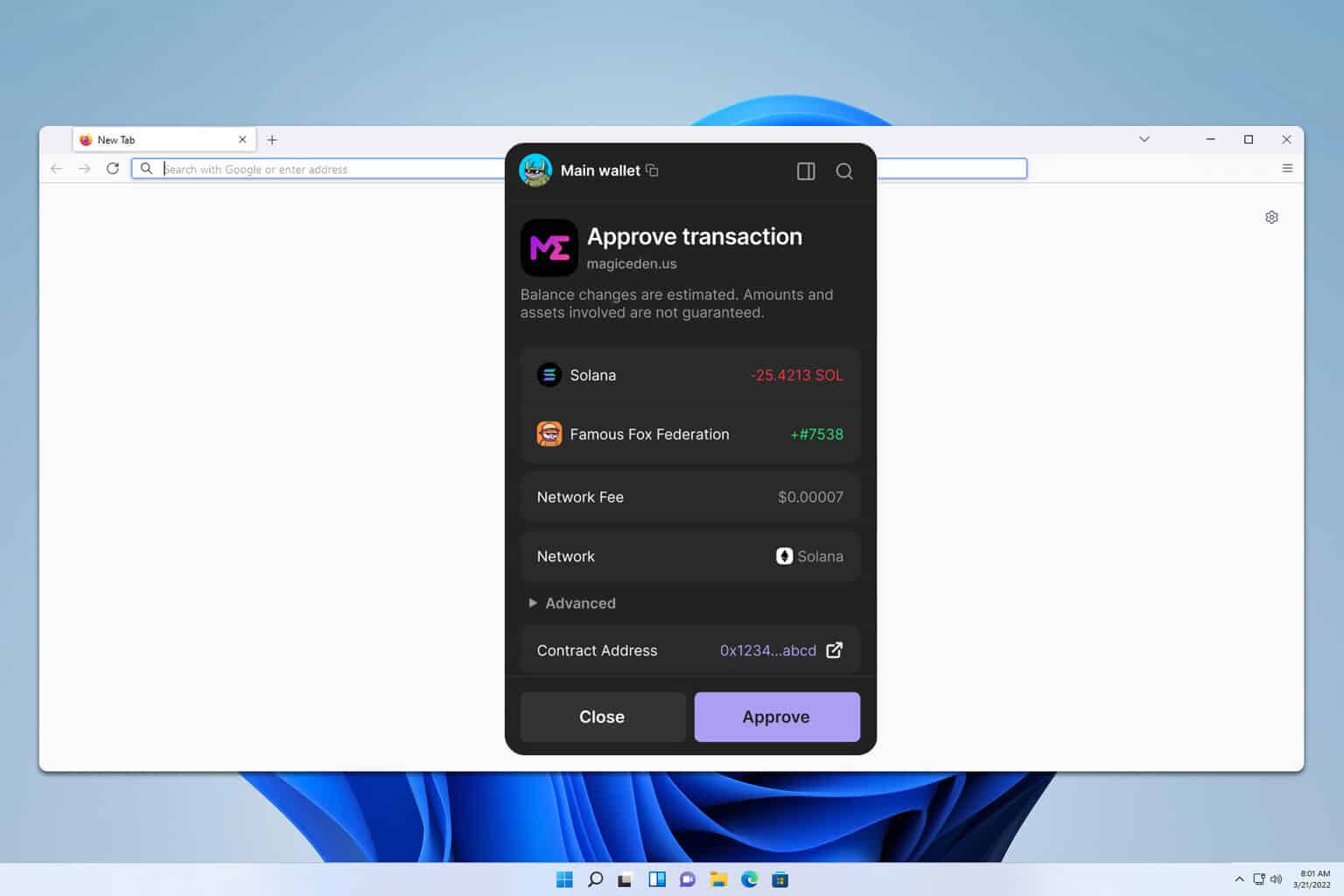
Phantom injects a provider into the page, and dApps call that provider to request signature approvals. When a dApp asks for permission, Phantom shows a popup that explains the requested actions—transfers, program interactions, or message signing. Pay attention to the details. If a request looks like it’s trying to move everything, don’t approve it.
On one hand, the one-click approvals are great for UX. Though on the other hand, they can lull you into complacency. Pause. Verify. Especially when interacting unfamiliar smart contracts or newly minted token collections.
Troubleshooting common issues
Transactions stuck? Try these steps: first, refresh the dApp and Phantom. Second, check Solana network status (mainnet-beta can be congested occasionally). Third, if Phantom reports a nonce or blockhash error, reinitiate the transaction—most of the time it resolves. If not, export the transaction details and consult a block explorer.
Extension not showing balances? Confirm you’re on the right network (mainnet vs devnet) and that the token is added to the wallet. Phantom auto-detects many tokens, but sometimes you need to add custom tokens via their mint address.
Advanced tips for power users
If you’re moving big sums, use a hardware wallet Phantom as the UI layer. Phantom will route signing through Ledger when connected. Also, consider splitting funds across multiple addresses for operational security—keeping a hot wallet for day-to-day interactions and a cold wallet for long-term holdings.
For developers or frequent traders: enable the “Advanced” settings in Phantom to access developer tooling and RPC switching. Using a reliable RPC node improves performance—public nodes are fine for casual use, but dedicated RPC providers reduce latency and timeouts during high traffic.
FAQ
Is Phantom safe for holding long-term crypto?
It depends on “long-term” and how much you’re holding. For small amounts and active dApp use, Phantom is fine. For life-changing sums, use hardware wallets and cold storage. Phantom supports Ledger, which lets you keep keys offline while using Phantom’s interface.
Can I recover my Phantom wallet if I lose my device?
Yes—as long as you have your seed phrase. Restore the wallet on any compatible Phantom installation or a compatible Solana wallet by entering the 12-word phrase. If you lose the seed, recovery is impossible—wallet developers cannot help out it.
What about phishing and scam sites?
Phishing is the most common problem. Always verify the domain of a dApp, check social media handles, and avoid clicking links from unknown sources. Never paste your seed phrase into a website—no legitimate site will ask for it.
Final note: Phantom makes interacting Solana approachable, but simplicity is no excuse for laziness around security. Be curious and cautious. Build routines that protect your keys and sanity—check lists, use hardware, and test small amounts first. If you’re unsure, ask in community channels or consult documentation before hitting “Approve.”